



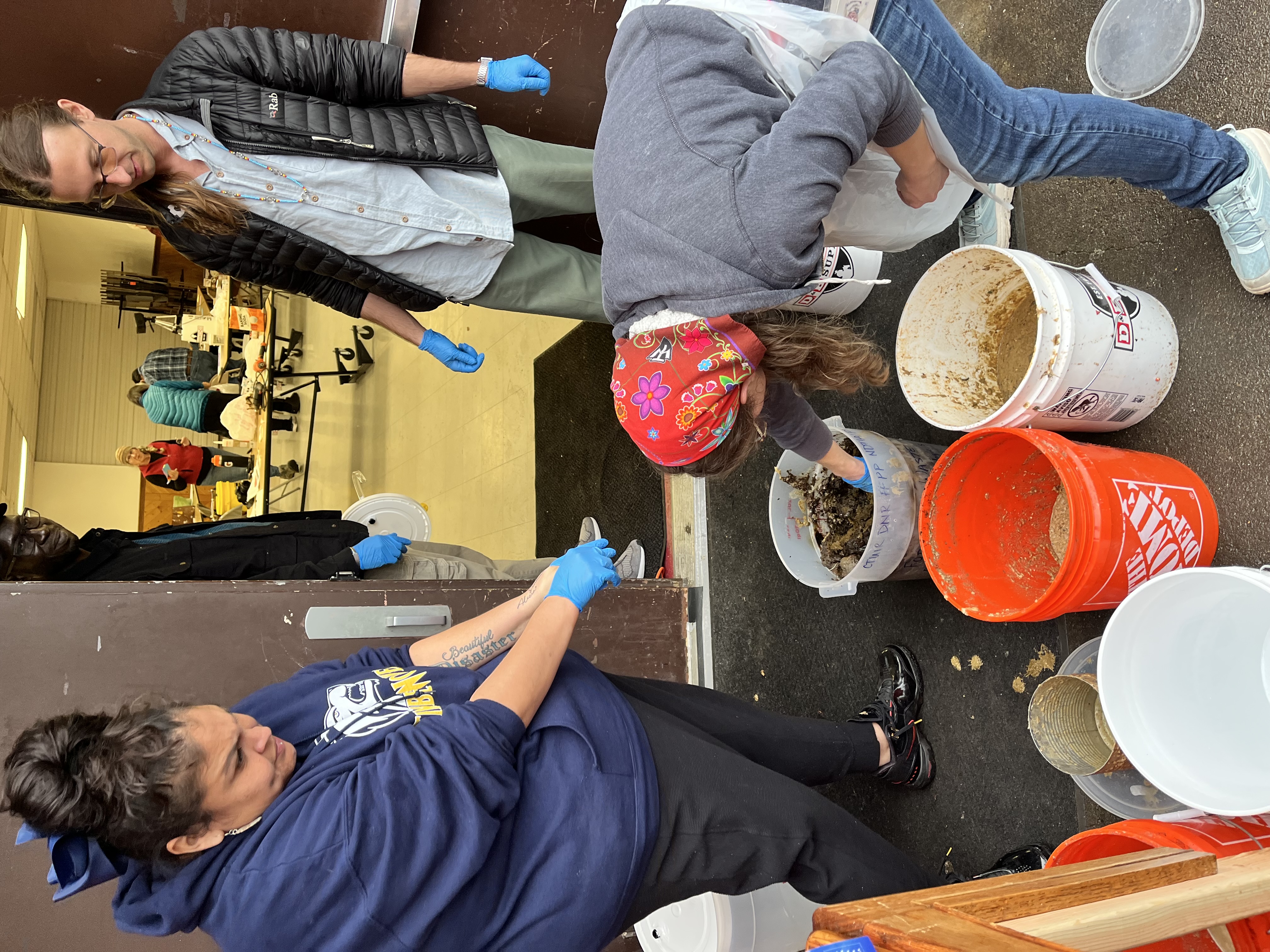
Participants in our Biogas Workshop on Dec 5th laugh and joke as food waste is processed into Aqpas materials (FFPP 2025)
Áq̓paš Research & Demonstration
What is “Bio-Gas”?
“Bio-gas” is a catch-all term to refer to combustible gases that include methane and other gases produced from the decomposition of organic material in conditions without oxygen. Much of the existing knowledge of bio-gas, or renewable natural gas, comes from heavily industrialized sources like dairies and feed lots that collect cattle manure to be housed under sealed conditions to allow for the methane to be collected and used for energy, or from landfills that pipe methane from stratifications within the landfill up to be flared (burned) or used for energy, depending on their permitting status.
Much of our community’s pre-project exposure to the concept of bio-gas has centered on large confined animal feeding operations (CAFOs) that are numerous in CTUIR’s Ceded lands, and perception was not initially positive due to these associations. However, food waste presents a prime and severely underutilized source of biogas generation for Oregon, and suggests a robust opportunity because of the energy generating potential of food waste specifically as feedstock, compared to relatively poor feedstock of animal and human manure currently being used as part of existing operations. This includes a wastewater treatment anaerobic digester being used as part of the City of Pendleton’s wastewater treatment facility, that generates an undisclosed amount of renewable natural gas per year from human waste sources.
The American Biogas Council (ABC) provides an estimate of existing bio-gas production within the state of Oregon (American Biogas Council, 2024).
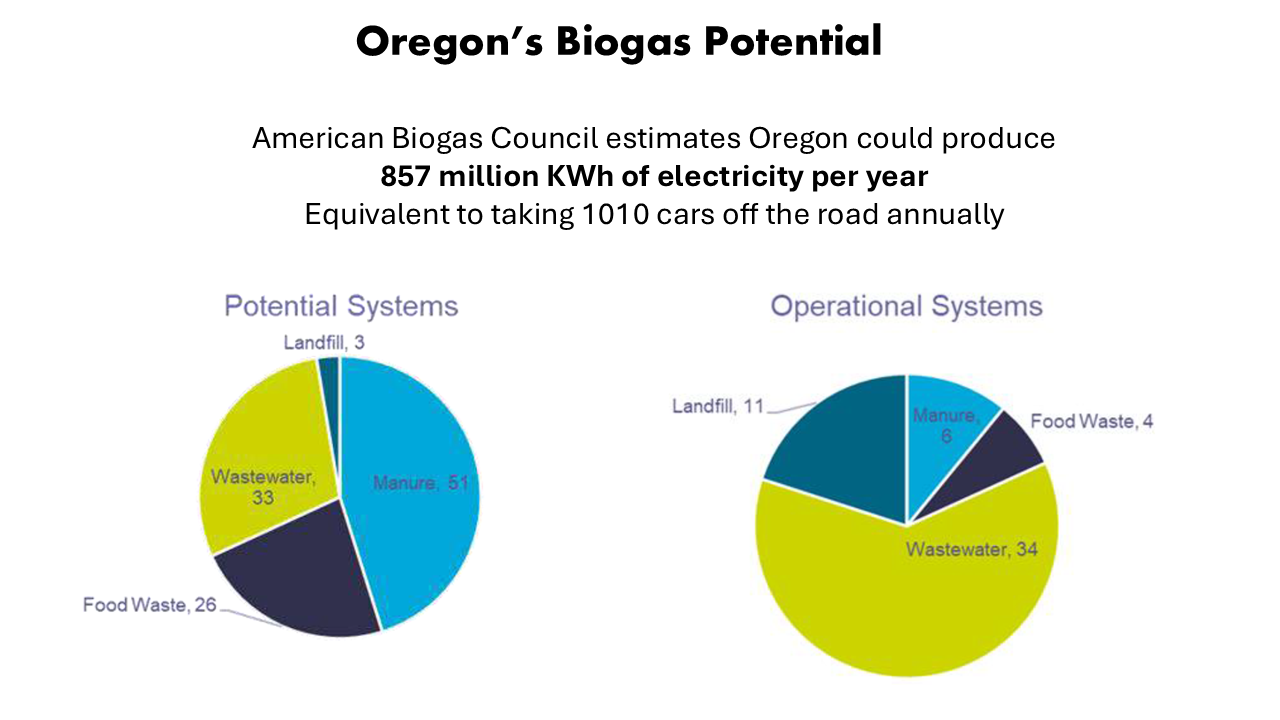
This shows that most bio-gas within Oregon is currently generated using wastewater (34%), similar to the City of Pendleton’s design, as well as from landfills (11%) and from Manure (8%), with food waste feedstocks representing only 4% of existing capacity. This contrasts with estimates on what could potentially be used, with food waste representing 26% of potential bio-gas generation in Oregon. ABC estimates that bio-gas could generate roughly 857 million kilowatts of energy per year, and could prevent over 1000 passenger car quantities of carbon emissions per year additionally (ABC, 2024).
Our anaerobic digester trial was very illuminating, though it ultimately proved unsuccessful at producing a methane gas, for reasons discussed below. In the following section, we provide a timeline for our trial, and provide a retrospective on challenges and potential ways of overcoming aspects of the trial that should be avoided in future designs.
Pre Áq̓paš Planning
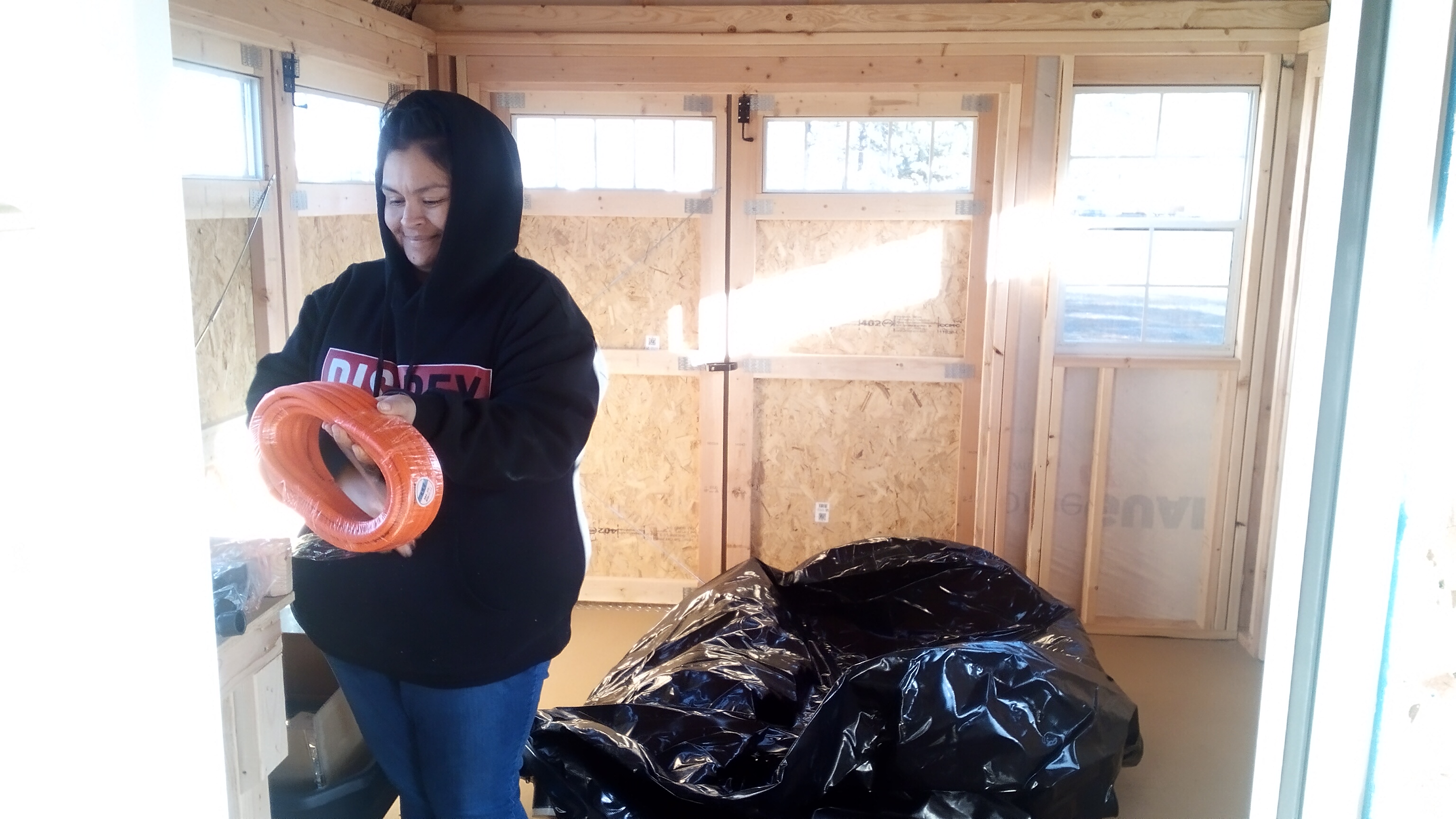
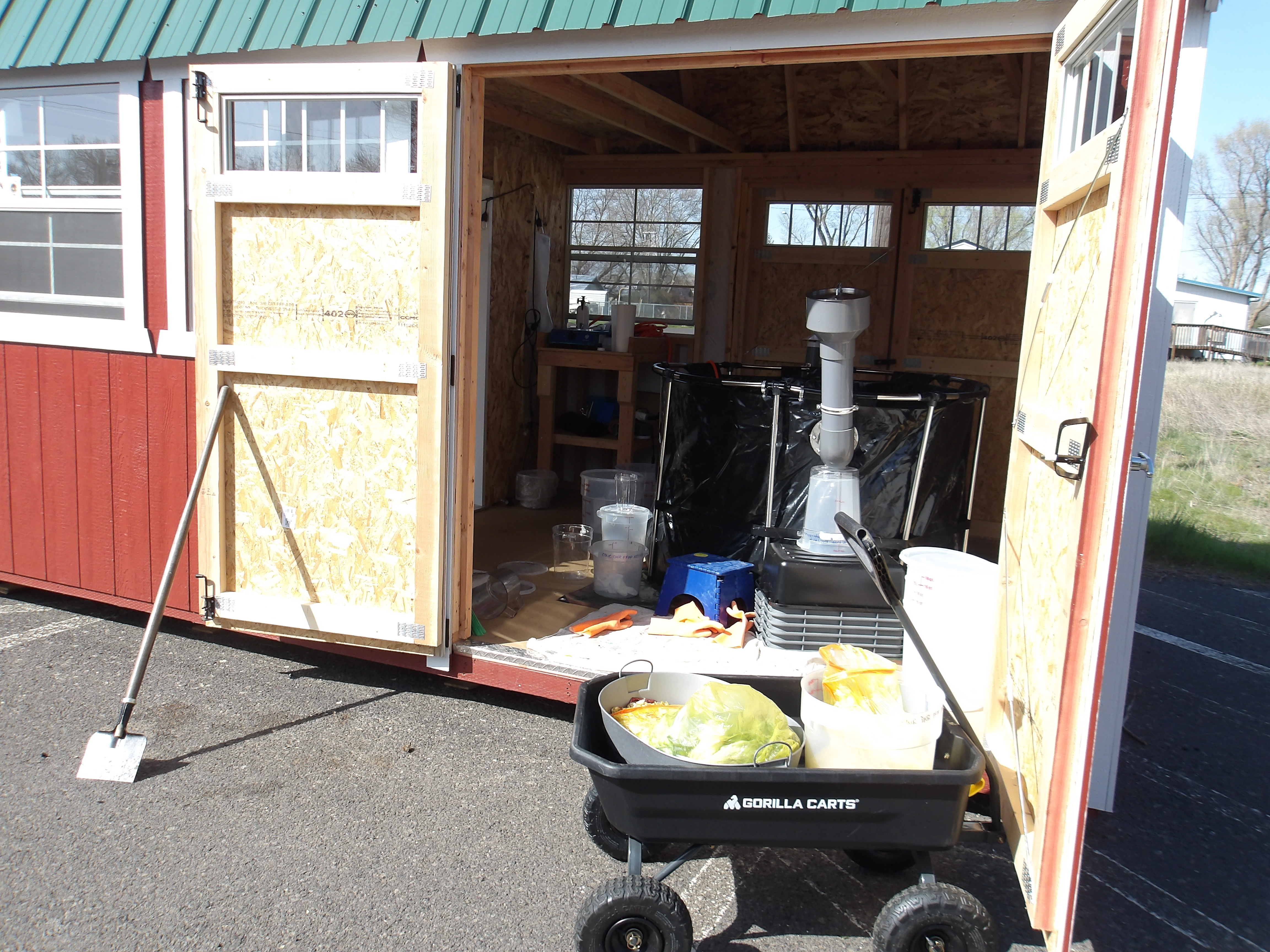
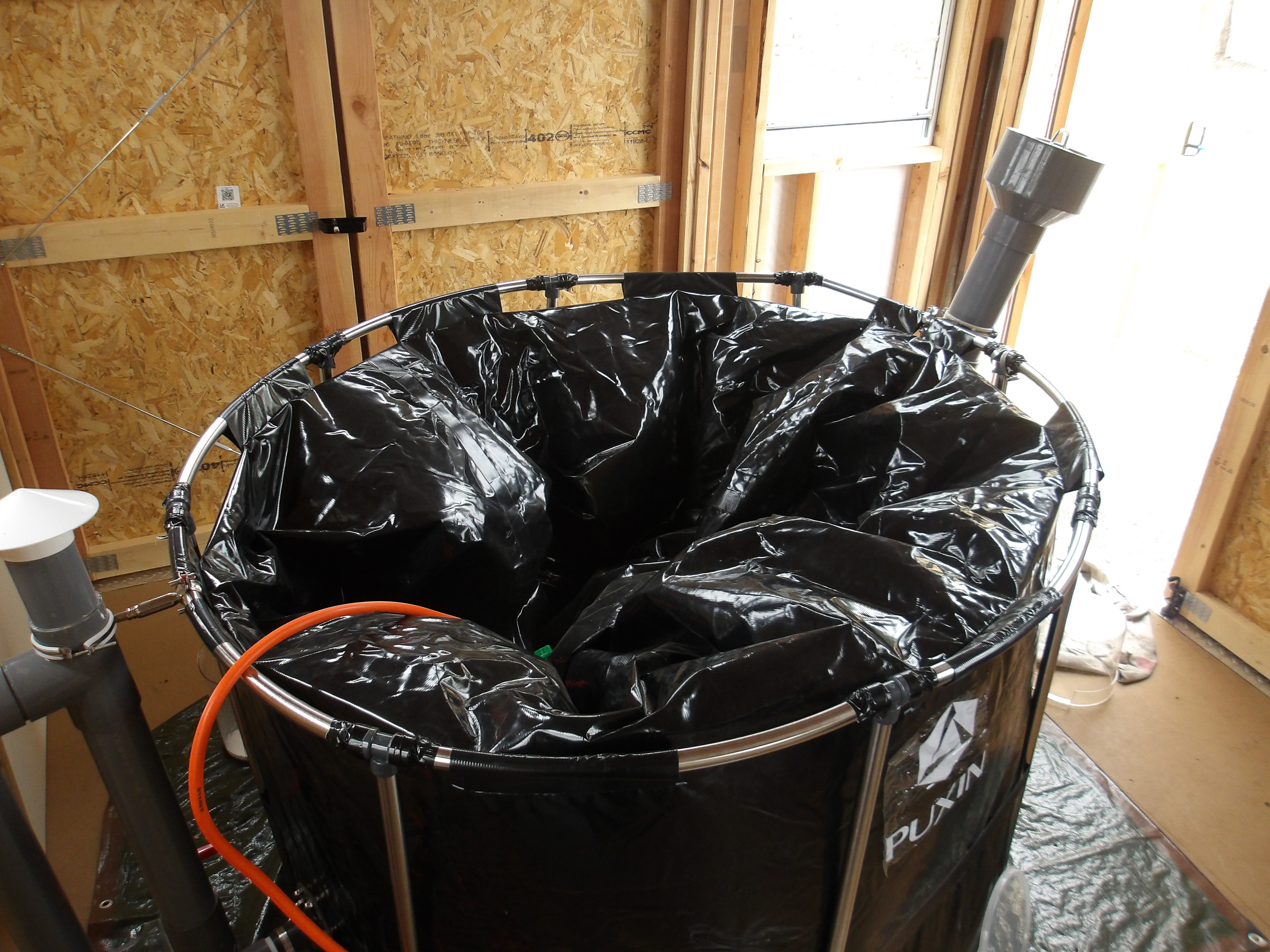
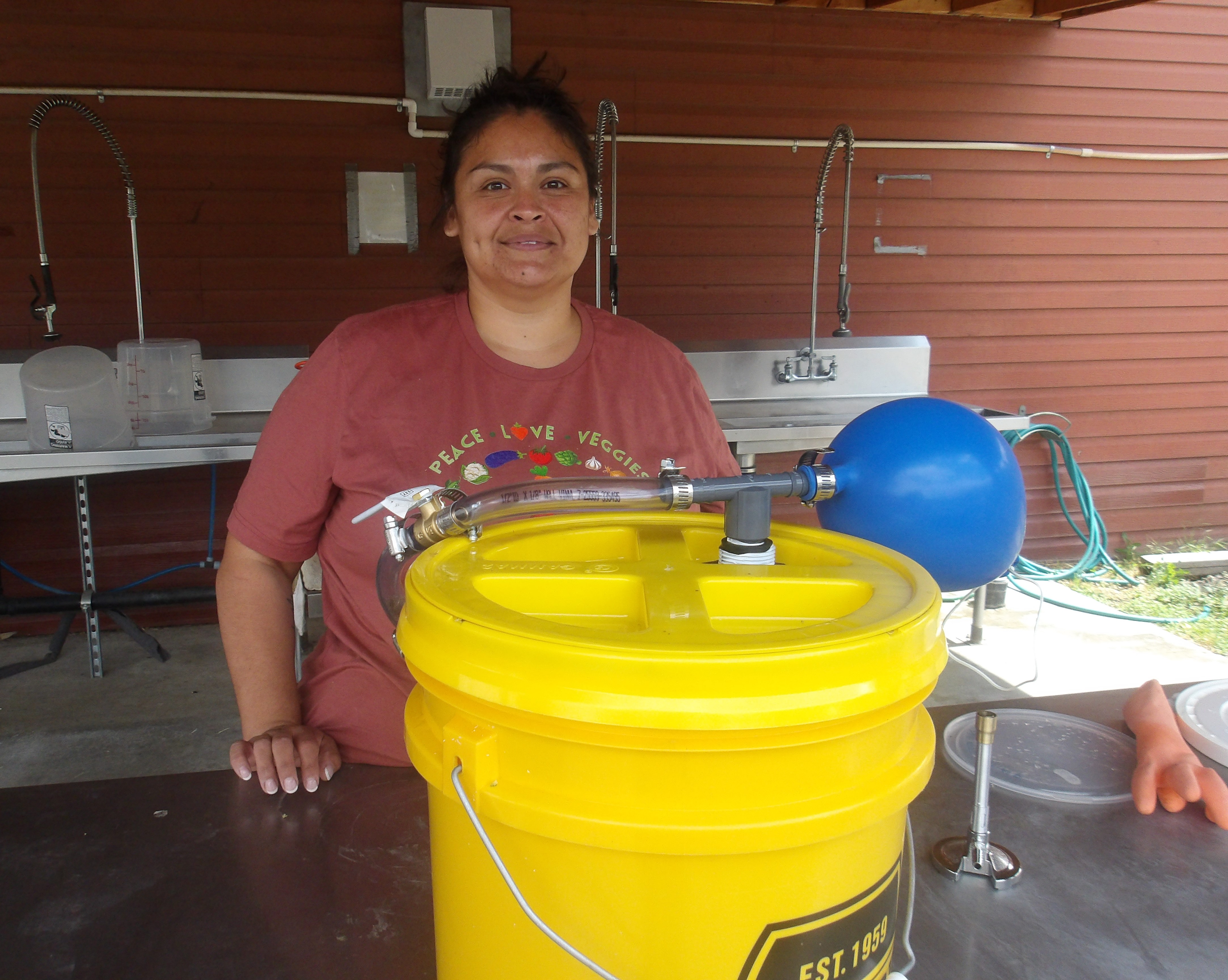
Little to no pre-fabricated kits exist for small scale anaerobic digestion, which limited the project’s ability to source these easily. While a model from Shenzen Puxin Technology Company Limited was available for purchase online through foreign vendor platforms, the CTUIR procurement process prevented this model from being acquired for use with the project. To adjust for this internal procurement challenge, Biowaste Technologies was able to use an Amazon Change X grant secured in supplement of USDA funding to purchase a smaller prefabricated kit with a less optimal design from domestic online vendors. It was this version that became our only larger scale digester trial, and it suffered from design flaws that allowed for the escape of gases and difficultly managing inputs and internal chemistry. This digester was affectionately named Áq̓paš 00 (Awk-pash zero zero), for the Umatilla word for “stomach” and to indicate that it was being conducted outside of original project design.
Starting the Áq̓paš
Once the Puxin kit model had been constructed within the Resource Recovery Center, project staff waited until seasonal temperatures warmed enough to potentially meet the threshold temperature of 55 °F required for decomposition to produce a methane gas. Temperatures around Celery Feast at the beginning of March reached into the 70’s °F with an unseasonally warm spring, and food waste collected as part of the Celery Feast in 2025 was used to begin food waste input into Áq̓paš 00. This food waste was weighed and the water added to produce the input slurry was also recorded, as was ambient air temperature. Because the trial was ultimately unsuccessful, these records have not been included in the project data, but paper records of this data exist with the project materials housed by CTUIR First Foods Policy Program.
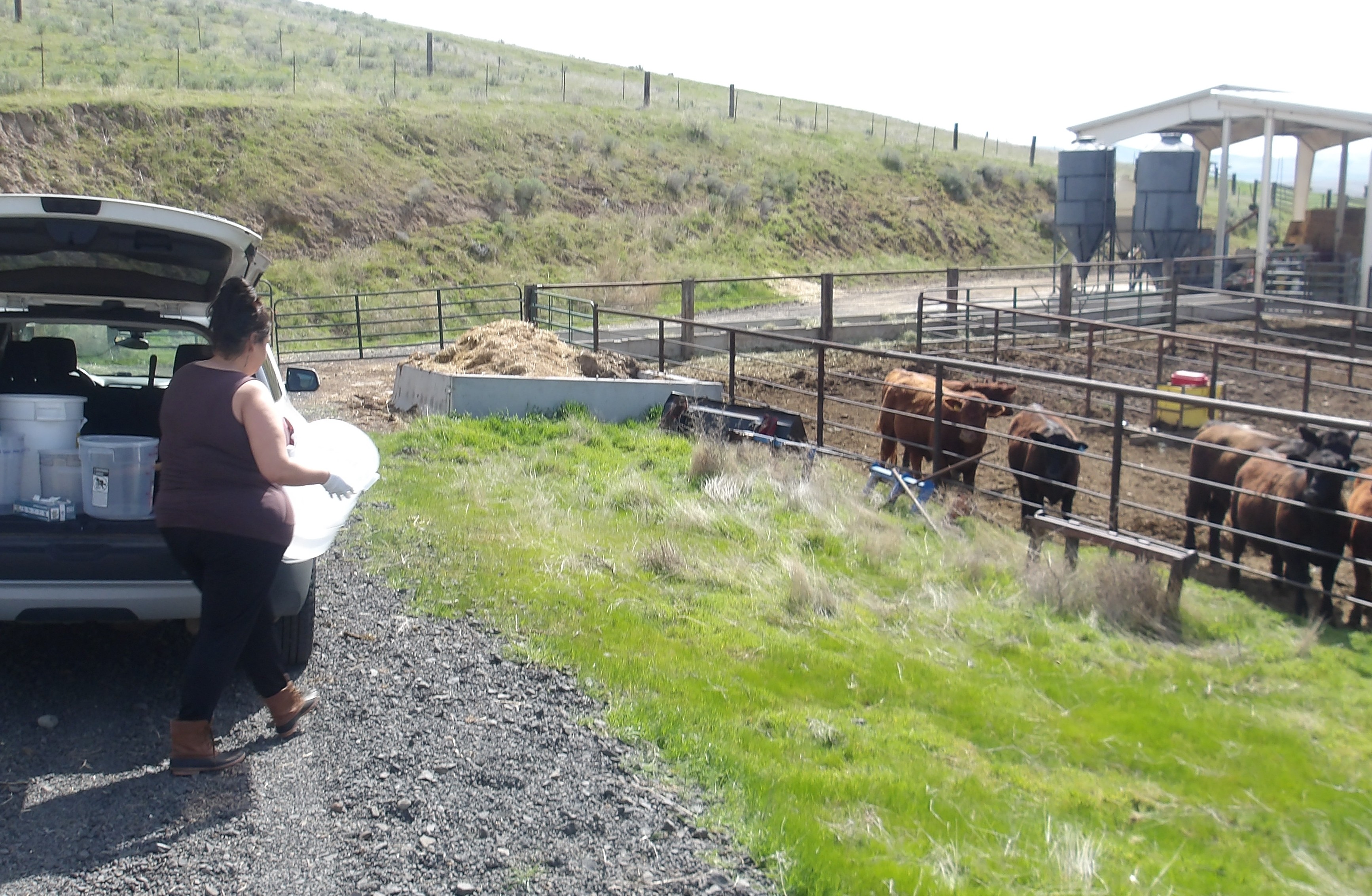
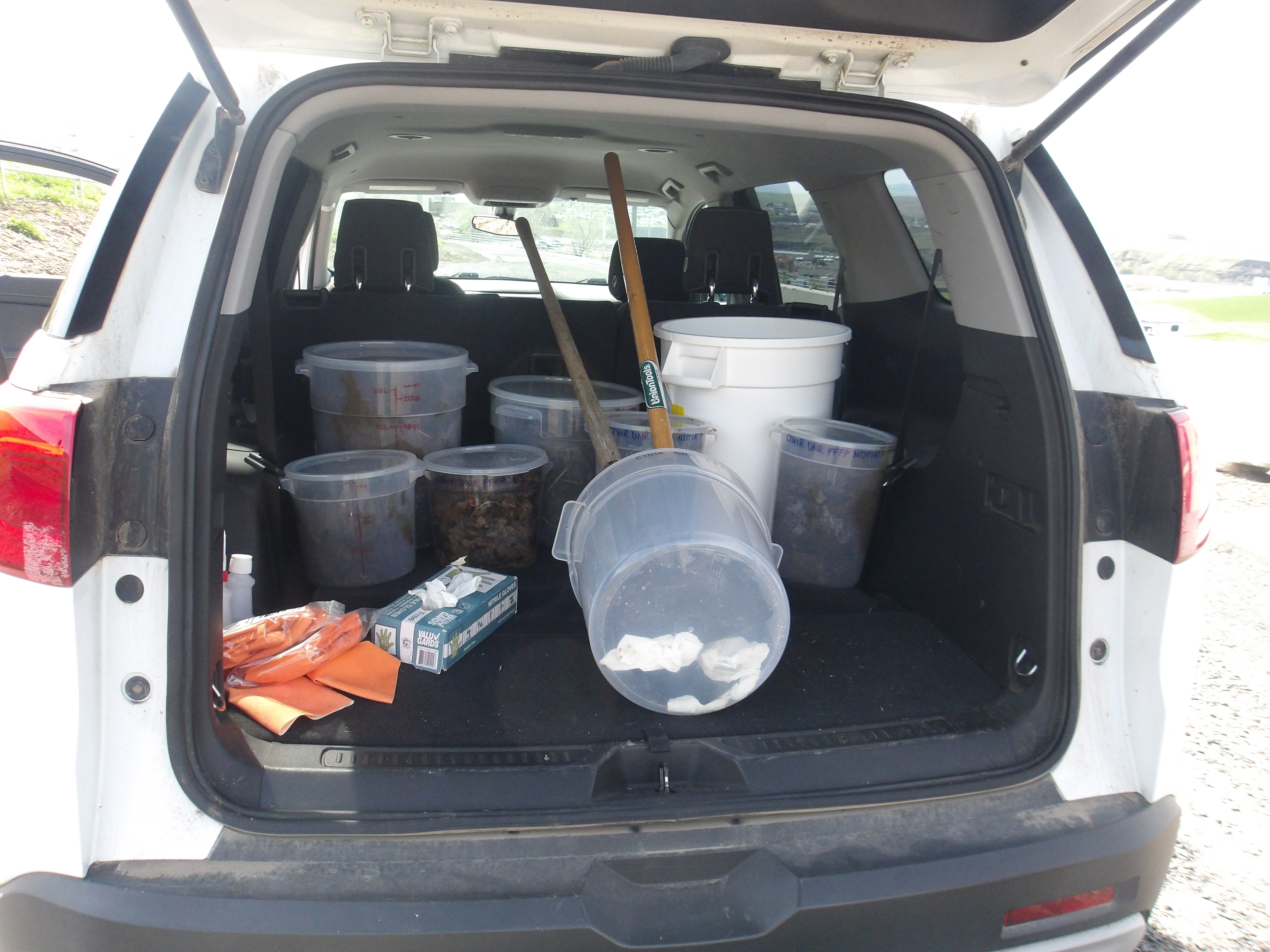
Cattle manure was obtained from the Blue Mountain Community College (BMCC) School of Agriculture’s cattle herd, and was used to inoculate the Áq̓paš. Microorganisms found within cow stomachs naturally decomposes organic material in anaerobic conditions to produce the methane gas that has become a focal point for agricultural greenhouse gas emissions. Using as fresh of cow manure as our project could secure, the concept was to capture these microorganisms to inject them into our digester and use the food waste feedstock to create methane in artificial conditions that mimicked a cow’s stomach.
Troubleshooting the Áq̓paš
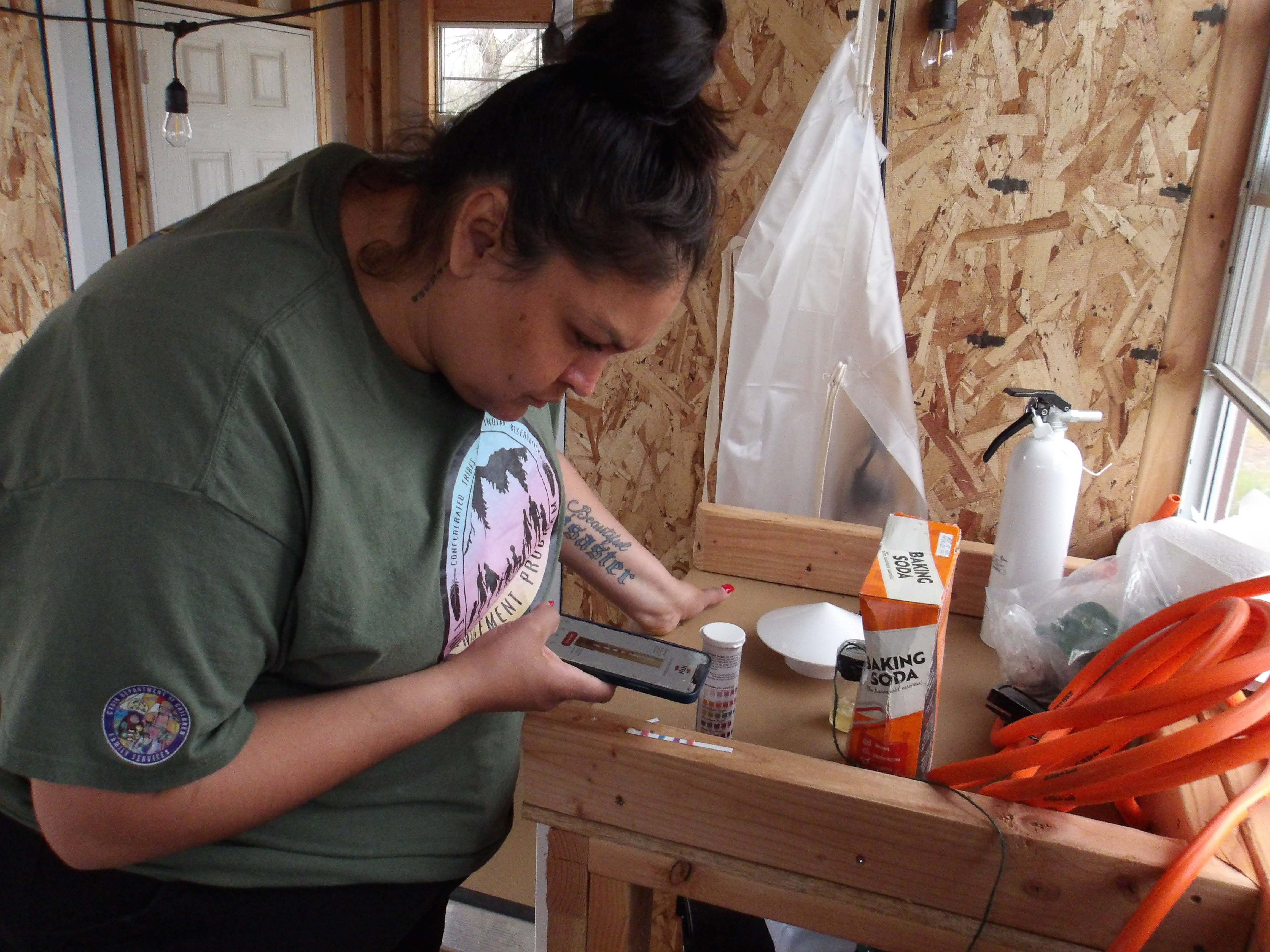
During the trial, food waste and water amounts were input into the digester and recorded, along with ambient air temperature and any gas that was produced. The intention was to better understand how to work with food waste to create bio-gas to supplement the community’s energy needs. As it progressed into the summer months, the project team suspected the trial was not performing as it should, and attempts to understand the chemistry within the digester were undertaken. Limited access to testing capacity made this a challenge, and only pH (acidity) could be readily tested due to difficulties access the digester materials internally.
pH was consistently measured as very acidic (pH of 6 or lower) and it was suspected that this may be creating barriers to the ability of microorganisms to effectively convert food waste to gas. Project directors decided to incorporate baking soda in an attempt to balance the internal pH, though it was later determined there were other courses of action, including the addition of wood ash, that could have assisted in reducing acidity but not compromised the agricultural quality of effluent that could have been collected.
Decommissioning the Áq̓paš
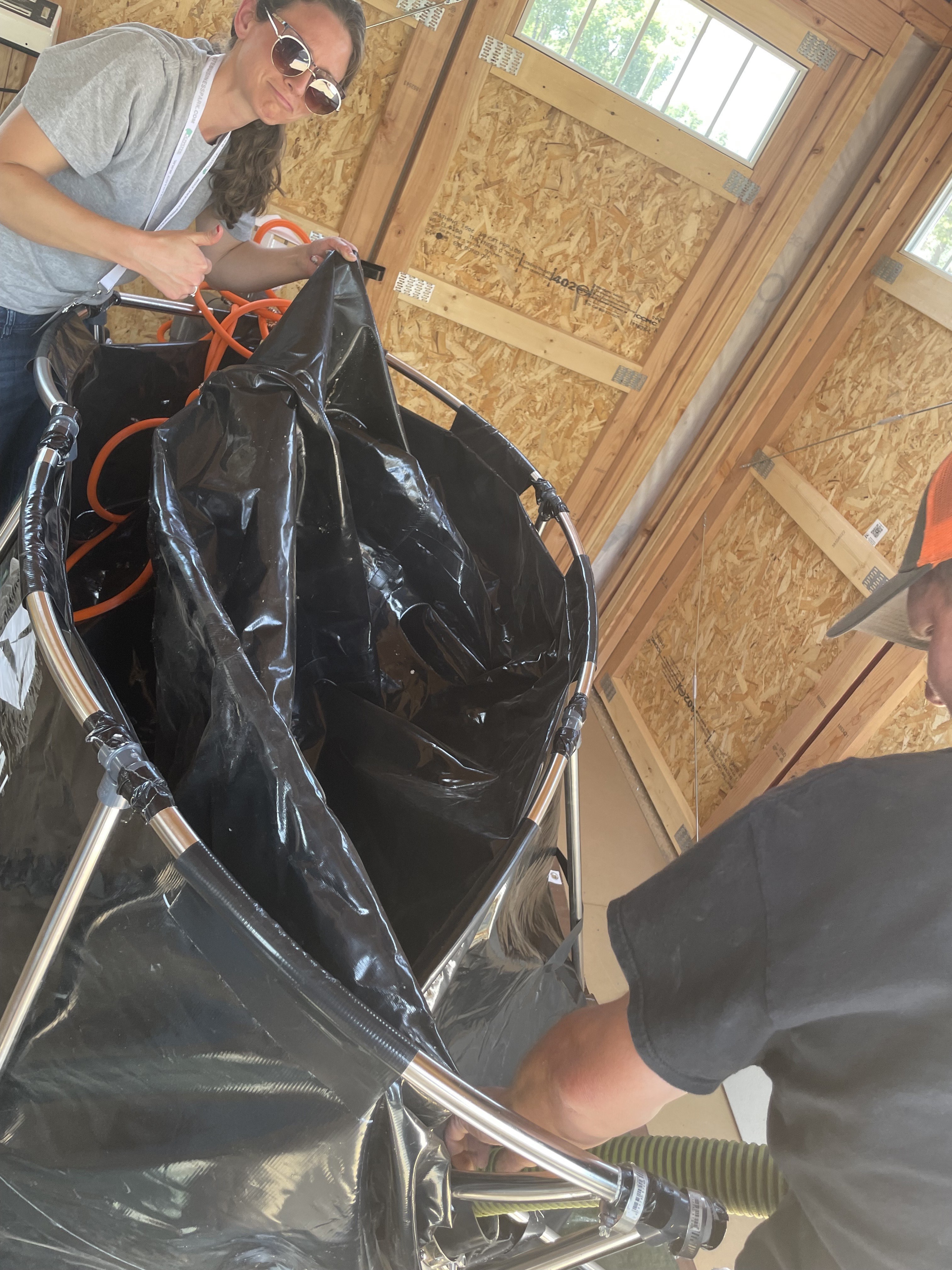
As the trial continued into the summer, it became clear that it would not be successful due to a number of challenges that included digester design, temperature, and lack of expert guidance. In July 2025, the project directors made the decision to decommission Áq̓paš 00 rather than attempt to continue this unsuccessful trial, and to scale down future trials to 5-gallon bucket designs that could be constructed by the project team. A septic pumping truck was commissioned to clear out the contents of the digester, totaling over 300 gallons of food waste and manure slurry.
Anecdotally, the septic pumping employee noted this was the strangest call he had ever been sent out on. Because of this, the project team decided this experience had increased capacity within our local waste management companies to address anaerobic digester troubleshooting needs. These smaller designs were also ultimately unsuccessful at producing a combustible gas, largely due to the temperature fluctuations that prevented long duration temperature stability necessary to convert decomposing food waste from carbon dioxide to methane.
Bio-gas Community Workshop with Vahid Biogas LLC
With the unsuccessful trial of Áq̓paš 00, our project team sought expert assistance in identifying and documenting what challenges had thwarted our trial, and how future designs could avoid these barriers. Many attempts to find and contact people in the Pacific Northwest who were knowledgeable about small scale and food-waste focused bio-gas generation was incredibly difficult, and eventually our project found Vahid Biogas LLC and its operator David House.
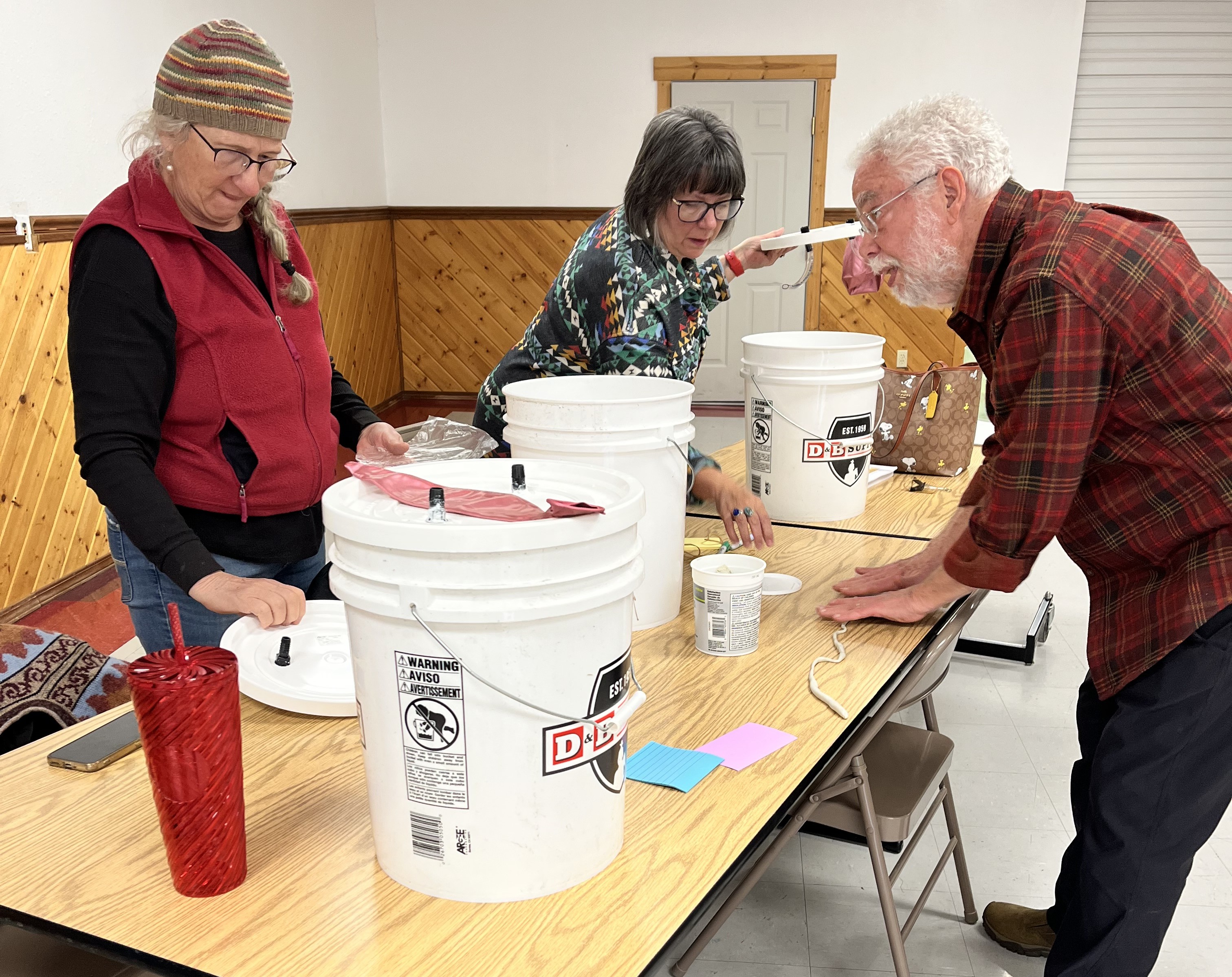
House had previously authored a how-to guide about bio-gas and agreed to work with our project team to host a community education workshop to explore this energy and resource recovery method with our Tribal community. In December 2025, a workshop was hosted at the Nixyaawii/Mission Longhouse to facilitate community members to learn about bio-gas science and construct their own 5-gallon bucket digesters. It was a small gathering of a dozen community members, but those who attended were extremely enthusiastic and excited to learn and contribute to resource recovery for the community.
Participants were provided with lunch (prior to food waste processing), a copy of House’s Complete Biogas Handbook, and their own mini-digester. While the workshop was largely conceptual to provide a scientific understanding of the design and operation of an anaerobic digester, participants excitement to assist the project in future digester trials.
Considerations for future bio-gas research efforts
While our Áq̓paš trials were not successful in producing a combustible gas, we learned many essential elements that would be necessary to produce a successful trial. Our project team never gave up on the concept of bio-gas, but our limited project did not have the infrastructure necessary to reach a successful demonstration. Essential elements that were identified by our trial include:
- Airtight Digester Design
Any gas (air or combustible) that is able to permeate the digester design will result in challenges. Air entering the design disrupts the creation of methane gas that can only occur in anaerobic conditions without the presence of oxygen. Conversely, gas escaping from the digester will result in unpleasant odor and a loss of potentially valuable combustible gas into the atmosphere. A successful design must be airtight sealed at all plumbing junctions to prevent challenges. - Temperature Stability
Microorganisms responsible for converting food waste to methane require a minimum stable temperature of at least 55°F for at least 14 days to transition from producing carbon dioxide with oxygen remaining in food waste to methane. Temperature fluctuations that could not be buffered in our uninsulated or electrified Resource Recovery Center were the largest obstacle encountered by our trials. Successful trials would be able to buffer temperature changes by partially or completely burying digester tanks for a passive design, or be located within facilities that have existing heating and cooling capacities to ensure a steady temperature necessary for methane generation. - Fresh manure for maximum microorganisms
Microorganisms that convert food waste to methane are extremely oxygen and cold intolerant, consistent with their natural habitat within ruminant stomachs. Because of this, sourcing inoculant manure requires collecting as fresh of manure as possible to reduce decline in microorganism efficacy. Existing digesters at dairies and feedlots are able to do this due to their proximity to concentrations of cattle. Building relationships with cattle producers could provide access to fresh inoculant material that would reduce changes of microorganisms being rendered ineffective in between exiting the animal and being input into the digester. - Insulated design with easy input and output access
An efficient digester design would not only be airtight but would also allow for maintenance access to plumbing and tanks in the event that troubleshooting was necessary. Our pre-fabricated digester design was a relatively cheap model that broke many components when project team members attempted to access input and output plumbing. A custom design would likely yield a far more superior digester that could be more easily accessed for maintenance and chemical balancing needs.
Carbon Calculations
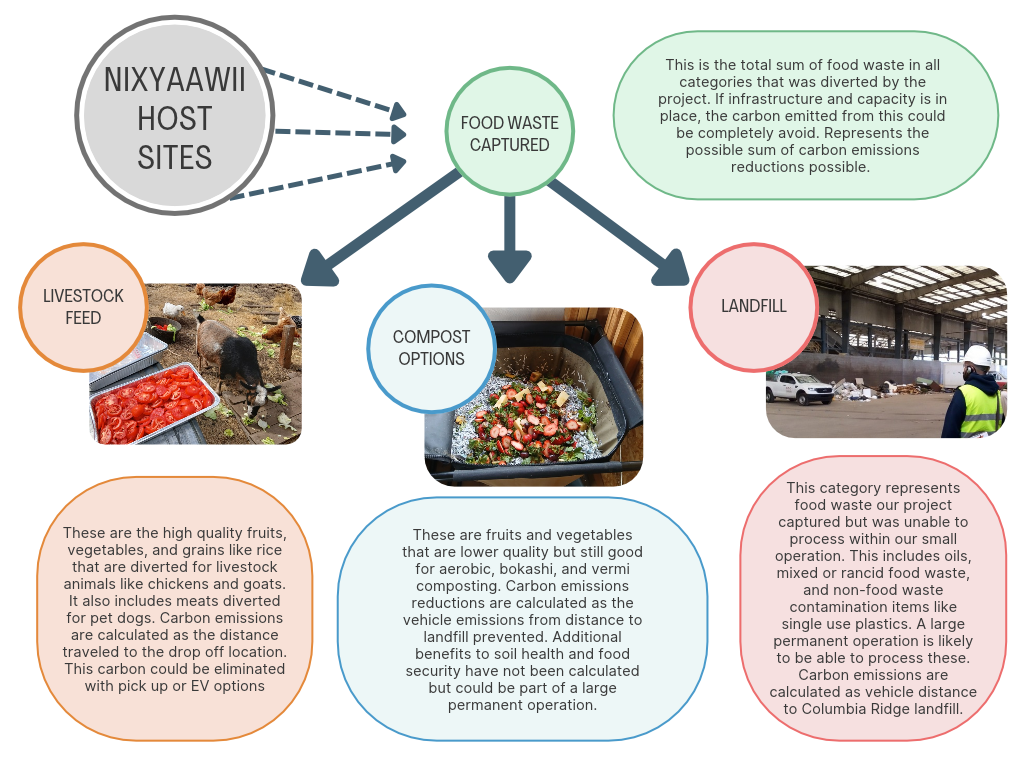
Project Carbon Emissions and Reductions Calculated
Methane and other combustible gases are potent greenhouse gas emissions and are an area of concern for many programs that aim to reduce atmospheric carbon. Preventing food and other organic materials from ending up in the anaerobic conditions of landfills can help prevent methane escape from undeveloped landfills, and carbon dioxide release as flared gas in developed landfills. Transportation of organic materials from their point of collection to their point of disposal also contributes to carbon emissions from materials management sources, and reducing this distance can contribute to reducing carbon emissions. This project includes an exploration of carbon emissions implications associated with this pilot project.
Please see Appendix A: Project Carbon Inventory for full calculations.
Connection to EPA CPRG outreach with ODEQ
Initial community engagement for our food waste project was conducted concurrently with listening sessions in partnership with the Oregon Dept of Environmental Quality (ODEQ). These listening sessions were hosted by CTUIR in support of ODEQ’s Priority Climate Action Plan development, as part of the EPA’s Climate Pollution Reduction Grant (CPRG). In these two listening sessions, held on Oct 5th and 6th, participants were asked to learn about existing carbon capture and removal options that are currently being implemented in our area, and indicate positive or negative perceptions of each. Posters for these different strategies were on display and participants were asked to place red or green sticky dots by concepts they either had concerns about or were in favor of, respectively. Two of these carbon management strategies were materials management and anaerobic digestion, both of which were received positively by event participants.
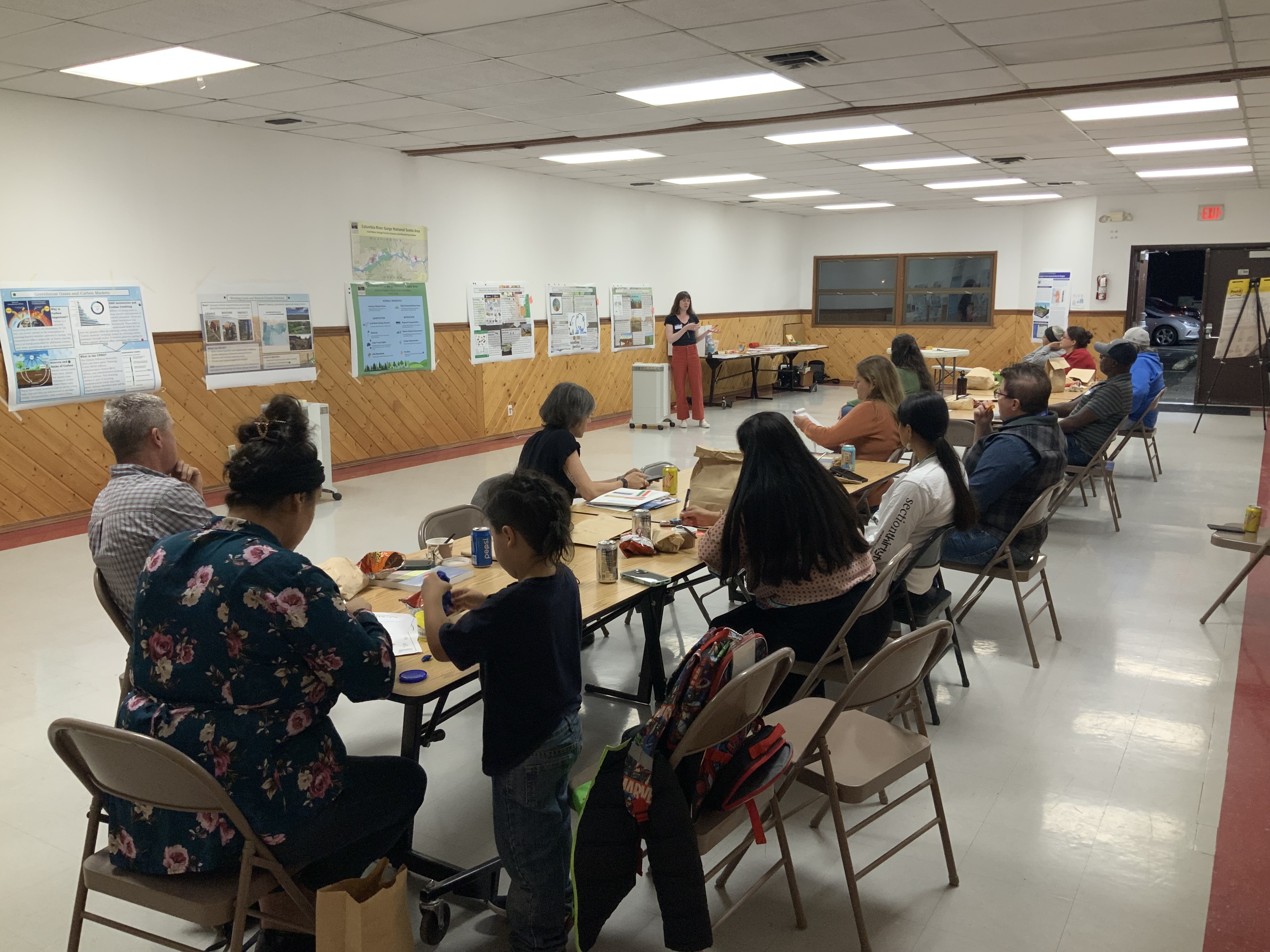
Participants in the CTUIR Priority Climate Action Plan (PCAP) listening sessions at the Nixyaawii Longhouse sit at tables as they listen to “lightning round” short presentations by speakers about specific carbon management strategies occurring regionally (Oct 2023).
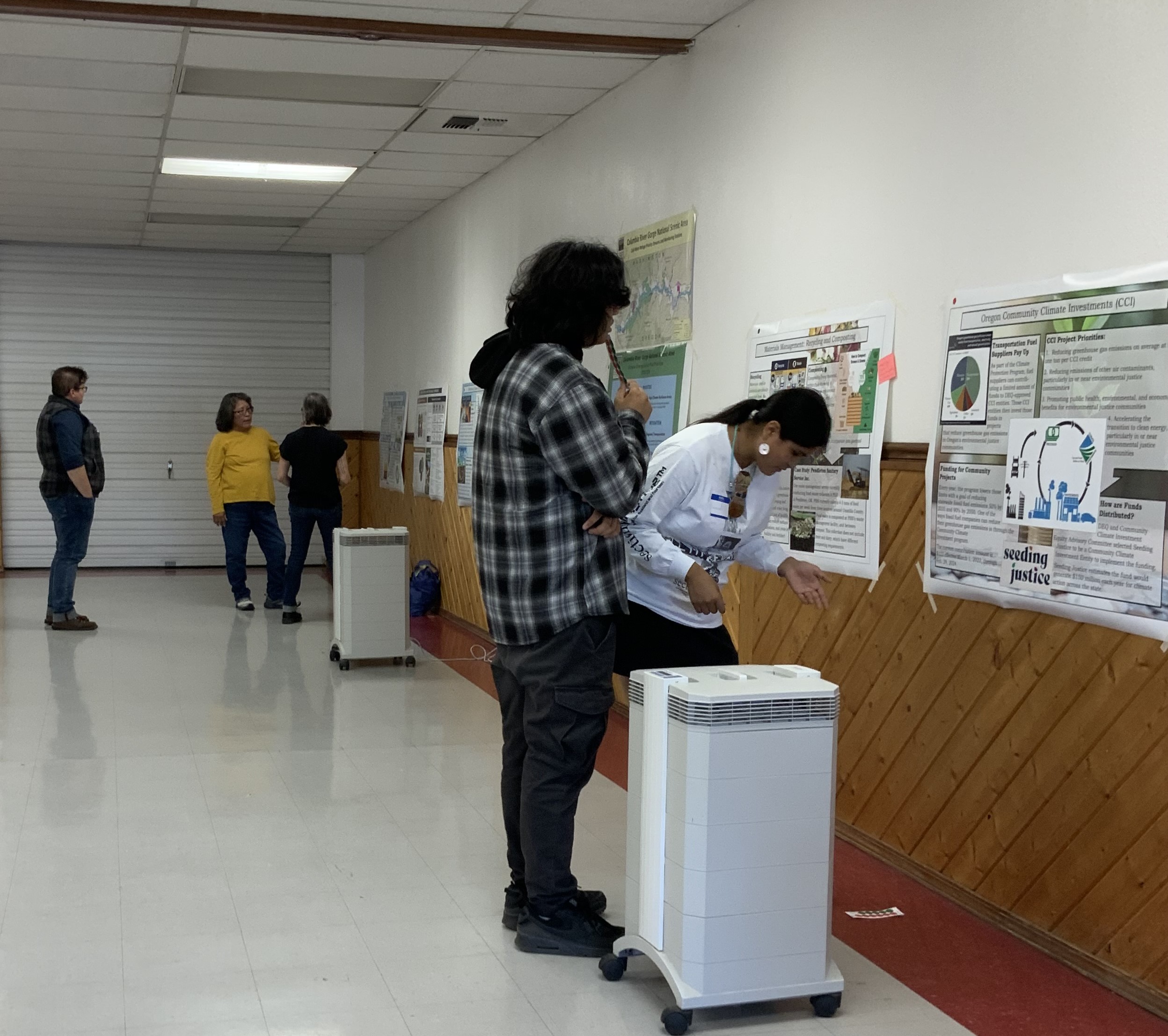
Tribal youth consider educational posters about carbon management options happening regionally, placing sticky dots to indicate their thoughts on strategies they would like to see more or fewer of in the near future (Oct 2023).
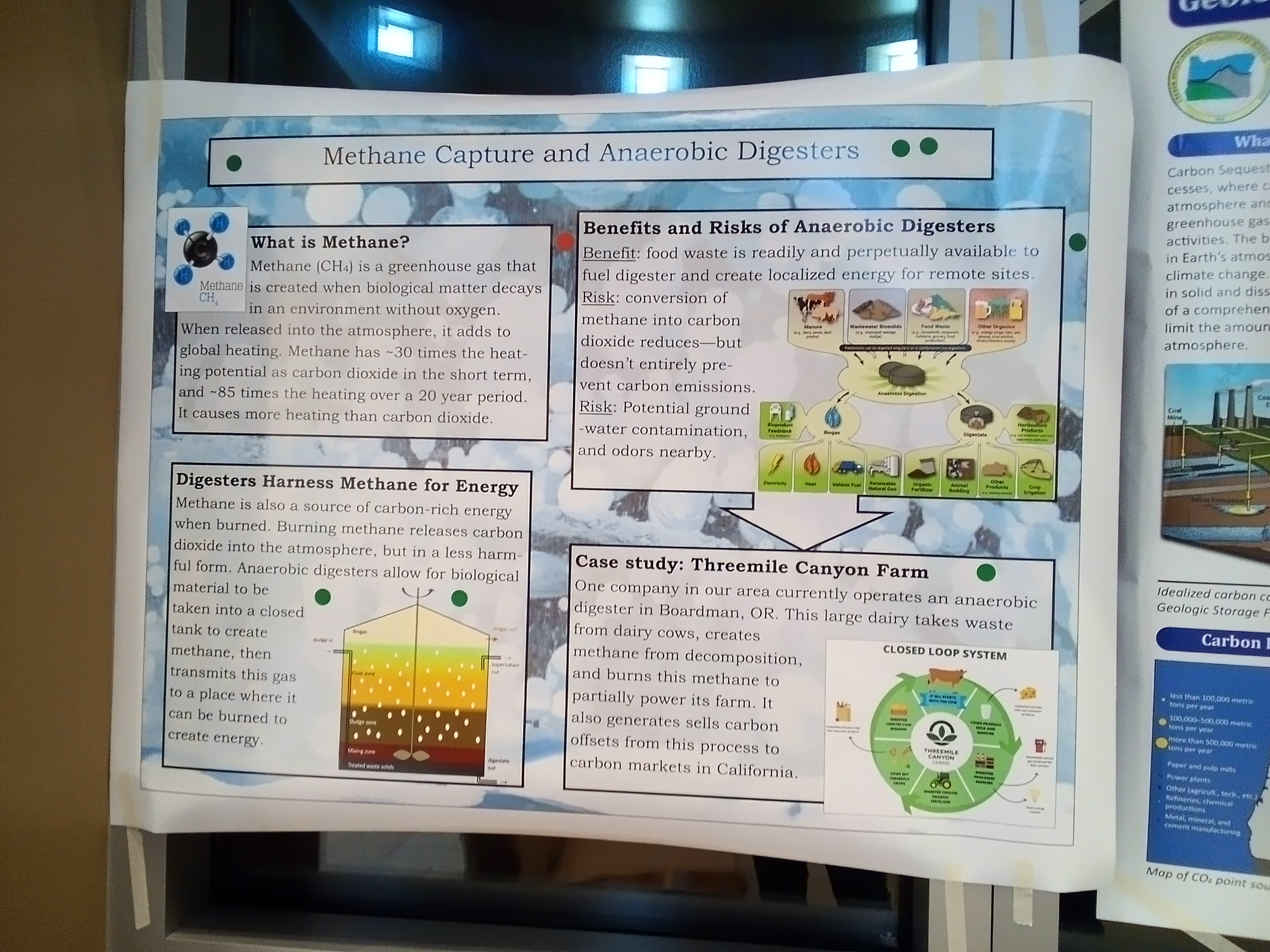
An educational poster is taped to a wall at the Nixyaawii Governance Center displaying information about methane capture and anaerobic digestion. Green dots placed around the poster indicate participants’ interest in the concept, and one red dot indicates some concerns a participant has (Oct 2023).
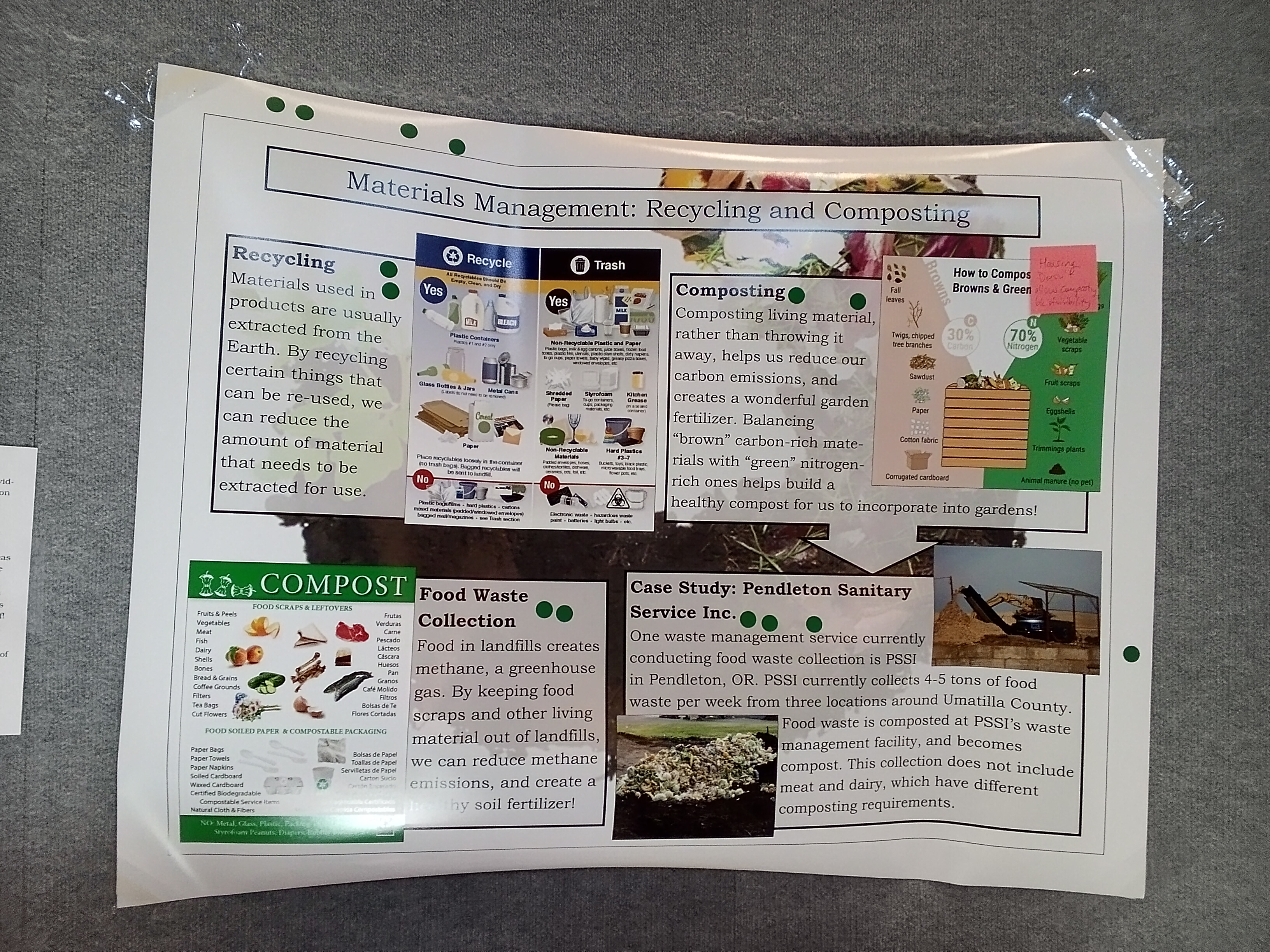
An educational poster at the Nixyaawii Governance Center displaying information about materials management like recycling and composting. Green dots placed around the poster indicate participants’ interest in the concept, which was completely unanimous (Oct 2023)
This material is based upon work supported by the U.S. Department of Agriculture, under agreement number 2024-70510-41990.
Any opinions, findings, conclusions, or recommendations expressed in this publication are those of the author(s) and do not necessarily reflect the views of the U.S. Department of Agriculture. In addition, any reference to specific brands or types of products or services does not constitute or imply an endorsement by the U.S. Department of Agriculture for those products or services.
USDA is an equal opportunity provider, employer, and lender.
Webpage updated: Oct 15 2026